Table of Contents
The Future of Computational Architecture
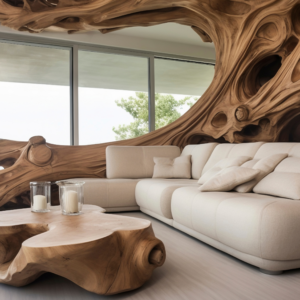
3D Parametric Design is the revolutionary process of using mathematical algorithms to create complex, fluid, and high-performance architectural geometries. At Fadi Studio, we leverage this technology to push the boundaries of traditional design, converting 3D models into incredible physical realities by simulating light, materials, and structural physics. It is the final and most critical step in modern visualization, used to create iconic structures without the need for traditional physical prototypes.
How 3D Parametric Design Works
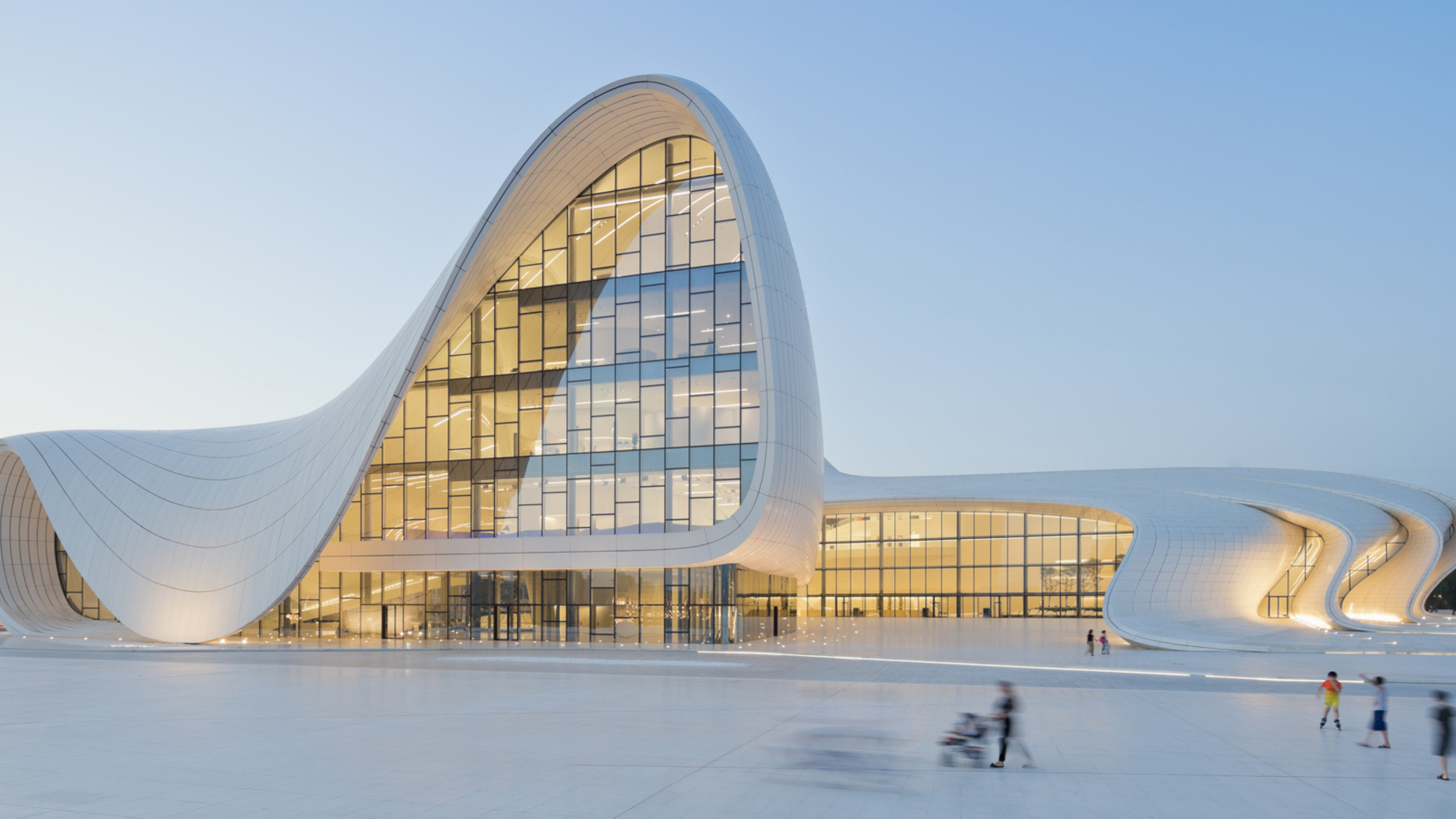
The workflow for creating a masterpiece like the one shown in our portfolio involves a deep integration of math and art. Here is the step-by-step breakdown:
- Modeling: Creating the 3D objects and the entire scene using parametric rules.
- Texturing: Applying materials like high-grade glass, composite metals, or organic fabrics to surfaces to define their color and reflectance.
- Lighting: Setting up virtual light sources—such as natural sun paths or artificial lamps—to illuminate the complex curves and create realistic shadows.
- Camera Setup: Positioning a virtual camera to frame the shot and capture the fluid motion of the geometry.
- Rendering: The software calculates how light interacts with every algorithmic element, producing the final high-definition image or video.
Types of Computational Rendering
In the world of 3D Parametric Design, we use different rendering styles depending on the project goals:
- Photorealistic: This aims to look exactly like a real photograph, using advanced techniques like ray tracing to capture every reflection on a glass facade.
- Non-photorealistic (NPR): This is intentionally stylized to look like architectural sketches or artistic paintings, perfect for early-stage concept presentations.
- Real-time Rendering: Extremely fast rendering used in interactive applications, allowing clients to “walk through” a parametric space and get immediate feedback.
Common Uses for Parametric Visualization
Our expertise in 3D Parametric Design serves multiple high-end industries:
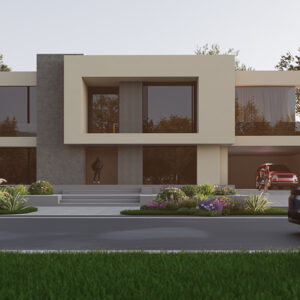
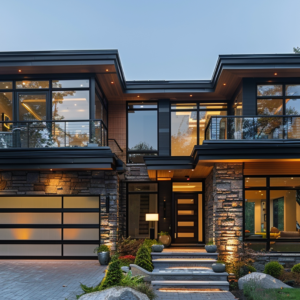
- Architecture: Visualizing complex buildings, stadiums, and futuristic interiors long before construction begins.
- Film & Animation: Creating breathtaking CGI environments and special effects that require intricate geometric patterns.
- Product Design: Showcasing futuristic products and furniture in realistic, high-tech settings.
- Marketing: Generating compelling, high-end visuals for advertisements and real estate pre-sales.
- Video Games: Crafting immersive, mathematically-driven worlds for next-generation gaming graphics.
The Synergy of Parametric Design and Sustainability
At Fadi Studio, we believe that 3D Parametric Design is not just about aesthetics; it is about environmental responsibility. By using computational algorithms, we can analyze solar radiation and wind patterns to optimize the building’s shape for energy efficiency. This data-driven approach in 3D Parametric Design allows us to create ‘intelligent’ facades that respond to their surroundings, significantly reducing the carbon footprint of modern structures. This integration of high-level math and sustainable engineering ensures that our projects are as functional and eco-friendly as they are visually groundbreaking.
The Technical Precision of Parametric Logic
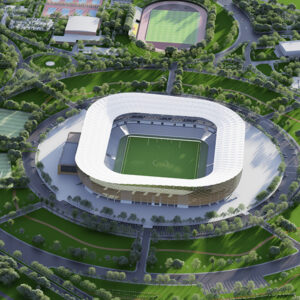
The real power of 3D Parametric Design lies in its ability to handle large-scale data. For instance, in our coastal stadium project, every panel of the roof was calculated using parametric algorithms to ensure perfect alignment and structural integrity. By using professional tools like Autodesk, we bridge the gap between imagination and engineering. This ensures that our architectural-drawing output is 100% accurate for on-site construction.
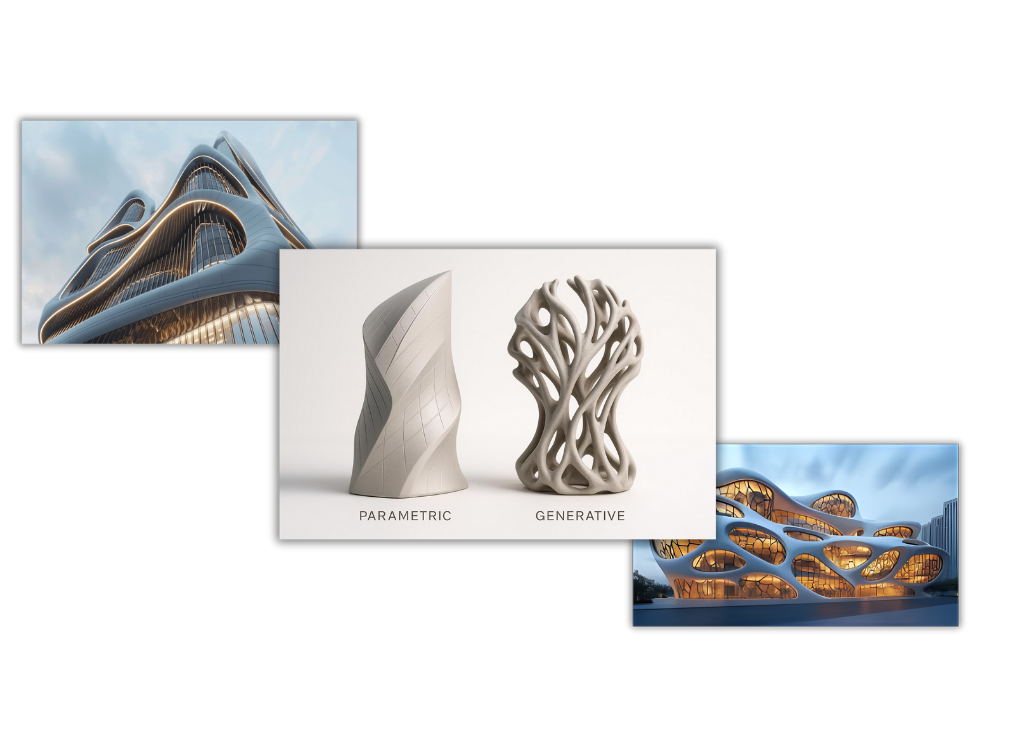
- What is the main benefit of 3D Parametric Design? It allows for the creation of organic, non-linear shapes that are impossible with traditional CAD tools.
- How long does a parametric render take? Because the geometry is complex, a high-quality render can take 4 to 7 business days depending on the detail.
- Can you use this for small-scale projects? Absolutely. We apply parametric logic to everything from custom furniture to massive urban plans.
- Why is it called “Parametric”? Because the design is driven by “parameters” (math rules) rather than just manual drawing.
While we specialize in these complex forms, our work in 3D Rendering Interior shows how we apply the same level of detail to luxury living spaces. Explore our full portfolio to see how we translate digital twins into physical masterpieces.